Vintage Friday blogs
Vintage Friday, 04-08-2023 English edition
Vintage Friday
Today is the first Vintage Friday at Noise Floor Audio. This is a weekly blog about vintage microphones on the NFA website. The first microphones have been around for more than 100 years and there are many tales to tell.
Why Vintage Friday?
Above all because it’s fun to do it, but also to show what actually preceded our modern microphones.
There are some people who collect classic microphones, I am one of them. The microphones that I will be reviewing on Vintage Friday come from my own collection.
Apart from Vintage Friday, there is also a “Vintage mics” button on the website. Behind this button on short term you will find a page with info and fun facts about vintage microphones.
Today on the menu of Vintage Friday…. cauliflower! ……
Eeehm, I might have to explain that one.
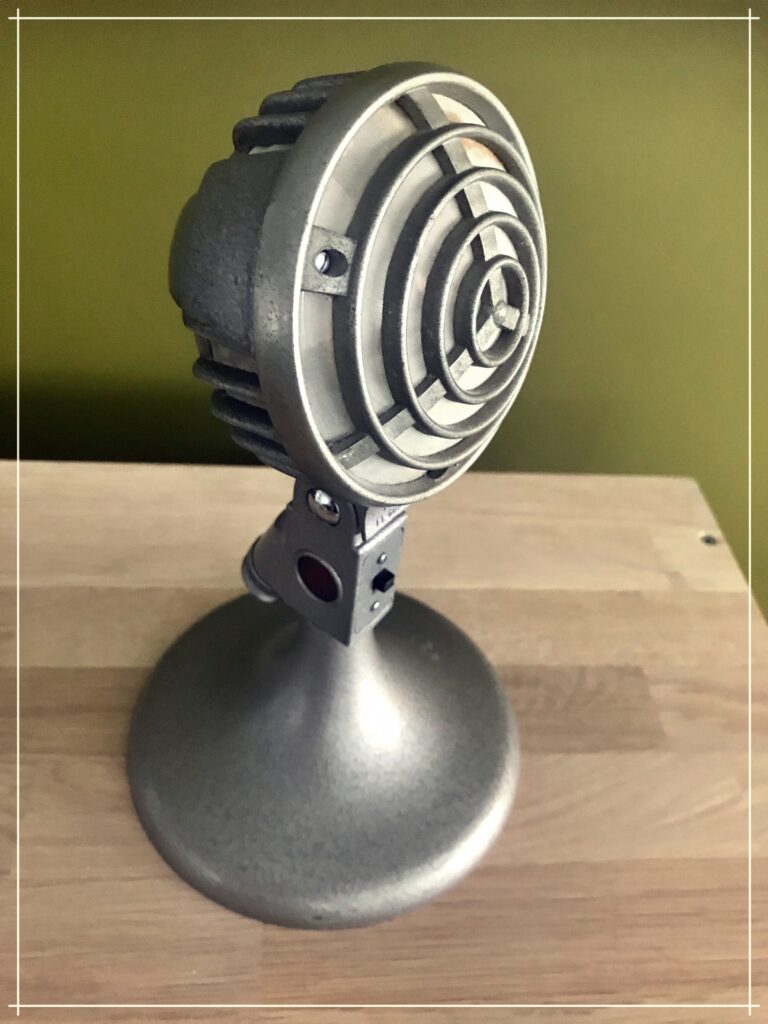
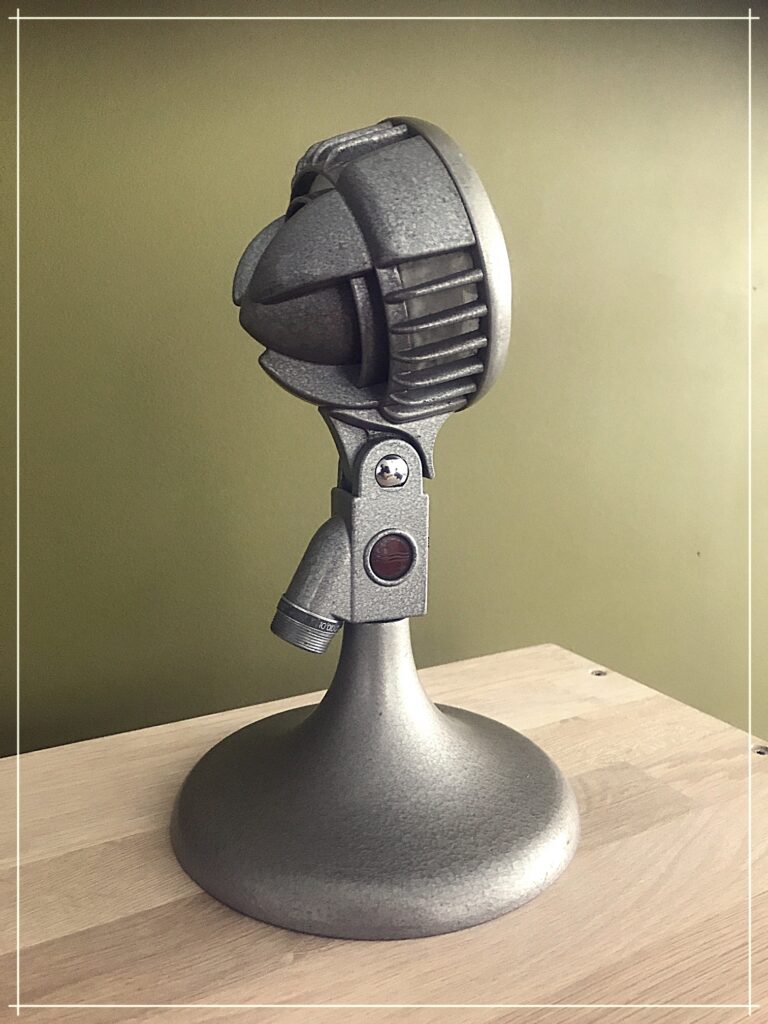
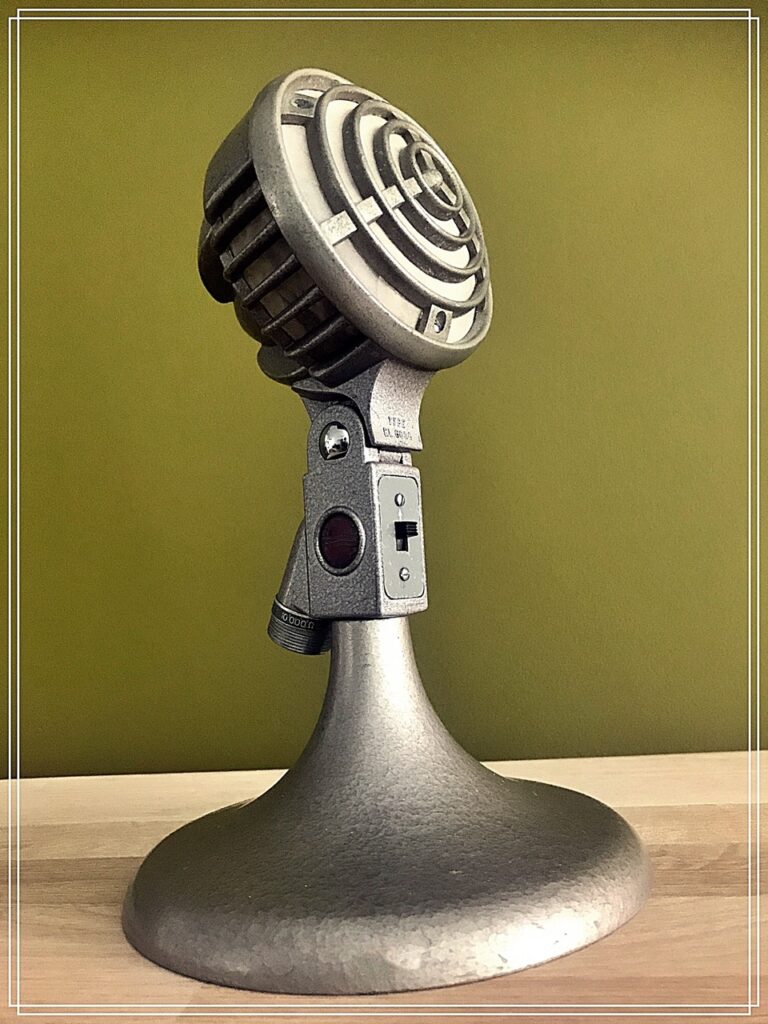
We are in 1952. The Philips EL6030 was ready to leave the Electro-acoustic Lab of the Dutch company Philips. This was a hypercardioid dynamic microphone with very good specs. Not only did this microphone have a high gain before feedback due to its hypercardioid design (i.e. you can amplify louder without howling feedback sounds on the speakers ), it was also pretty good resistant to moisture and therefore suitable for use in the tropics.
You can use this microphone at different impedances, namely 50, 500 and 10.00 ohms. That was to “match” with the different equipment of the time.
In addition to these technical features, it was also a very beautiful design. Philips was a very big name in pro-audio at the time and built plenty of microphones for use in the studio and for live concerts, nowadays it is hard to imagine that.
Photographs are known of a concert by Sarah Vaughn in the concert hall where this microphone was used.
The microphone in the picture still works just as well today as it did in 1952.
An of coarse , the cauliflower. In England this microphone was nicknamed “the cauliflower” because of its shape.
Feel free to leave a message on the contact page if you like it, or if you want to ask something about it.